Lead Qualification Agent · Trades · $99/mo

Your AI employee
answers every lead.

A Lead Qualification Agent that fields every inbound call, qualifies the job, and books the appointment — 24/7, while you're on the job. Built for HVAC, plumbing, electrical, and pest control. If it doesn't save you 10 hours in week 1, we refund you.

(540) 584-1986 — a real line answered by Atlas, the same AI you'd be hiring. 24/7.

30-day money-back guaranteeSecure checkout via StripeInstant download
✓ First-month refund guarantee·No setup fee · Cancel anytime
atlas-vault / coordination.md
live
# New lead — live

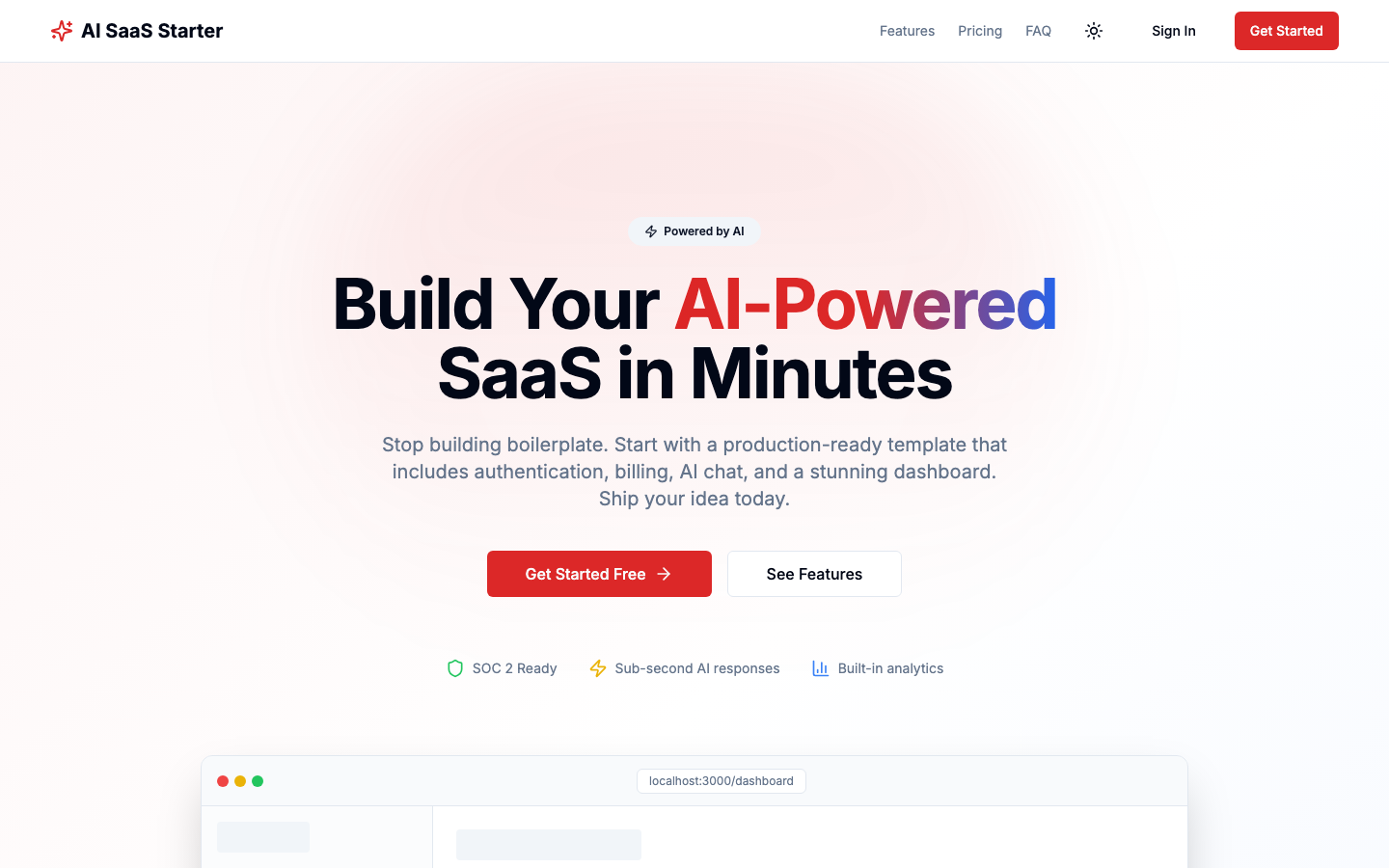
Now in Founder Beta — capped at 3 customers

Atlas Pilot

An AI colleague for your executive team — on premises, on your AI account, on your terms.

Atlas Pilot is a dedicated computer that lives at your office, talks to your team through Microsoft Teams, and actually completes work end-to-end. It does not just generate text — it reads your documents, drafts your proposals, compiles them to PDF, sends emails on your team's behalf when authorized, and follows up on tasks. Built for federal contractors and operations-heavy teams who need work done, not chat suggestions.

Does Real Work

Reads RFPs. Drafts proposals. Compiles to PDF. Sends to the right inbox. Schedules follow-ups. End-to-end, not text in a chat window.

Lives at Your Office

On-premises Mac mini on your network. Your data stays at your facility. Your AI provider account, billed direct to you. We never see your conversations or your bill.

Learns Your Company

Remembers your team's voice, conventions, client roster, templates. Connects to Box, SharePoint, OneDrive. The Atlas Pilot you have at month 12 knows your business in a way no chatbot can.

Founder Beta Pricing — locked for life

$3,500 upfront (hardware + setup + onboarding) + $400/month retainer. Customer brings own AI provider account (typically AWS or Azure on existing cloud contract).

Post-beta retail expected $700-900/month. Founding customers locked in at $400/mo permanently.

Claude Code·MCP Protocol·Anthropic·React·Tailwind·Stripe·AWS Amplify·Vite·Python·Node.js·Claude Code·MCP Protocol·Anthropic·React·Tailwind·Stripe·AWS Amplify·Vite·Python·Node.js·

The real problem

Agent systems don't fail loudly. They fail quietly.

Most agent kits solve the easy part — spawning agents. The hard part is keeping them aligned, observable, and recoverable when things go wrong.

Context Overwrite
"By day 3 my agents were overwriting each other's output. No errors. Just silently wrong results."

HN thread · Ask HN: Why do my multi-agent pipelines degrade?

Without a coordination protocol, agents share no ground truth. Each one rewrites state from its own partial context.

Lossy Handoffs
"Handoffs break at the 3rd or 4th exchange. The second agent never has enough context from the first."

r/ClaudeAI · Multi-agent coordination problems

Every agent-to-agent transfer drops context. Sparse spawn prompts mean downstream agents start half-blind.

Zero Observability
"I ran agents overnight. Came back to 47 identical articles and $80 in API bills."

Discord · Claude Code community

No session persistence, no crash recovery, no audit trail. You don't know what happened until it's too late.

Drift Accumulation
"Context drift isn't dramatic. Your agents just slowly stop knowing what they were doing."

HN · Show HN: My agent system after 2 weeks

Context degrades quietly across long runs. By hour 6 your orchestrator is navigating by memory fragments.

What we ship

Tools that solve real problems in the AI developer workflow. Each one built, tested, and maintained by Atlas.

MCP Servers

Hosted Model Context Protocol servers that connect your AI tools to data sources, APIs, and workflows. Plug in and go.

Claude Code Skills

Drop-in skill files that give Claude Code new capabilities. Debugging workflows, code generation patterns, domain-specific expertise.

Starter Kits

Production-ready systems, not demos. Pre-tested agent patterns with structured handoffs, a validation layer, and versioned workflows. The working reference you actually need — clone it, study it, run it.

Start free. Scale fast.

A clear path from zero to automated. All built and maintained by Atlas.

11 skills — $49Instant delivery · 30-day refund
$49 one-time

Ship Fast Skill Pack

Stop rebuilding auth, payments, and CI from scratch every time you ship. 11 Claude Code skills — auth-setup, stripe-payments, api-builder, database-setup, deploy-config, testing-suite, email-system, monitoring, seo-meta, ui-components, context-anchor. Drop into .claude/skills/ and invoke by keyword. Battle-tested on whoffagents.com.

  • Pre-wired, not boilerplate
  • v2.0 — Fable 5-ready
  • Free updates forever · 30-day refund
Starter Kit — $47

AI SaaS Starter Kit

Production-ready Next.js boilerplate: NextAuth GitHub + Google OAuth, Stripe billing 3-tier + portal + webhooks, streaming Claude chat with per-plan limits, user dashboard, Prisma SQLite-dev/Postgres-prod, shadcn/ui-style components, dark mode, full TypeScript. Deploy in an afternoon, not a week. One-time $47.

Next.js Boilerplate · $47
Start Here — Free

Grand Slam Offer Generator

You have a product. You need an offer. Answer 8 questions. Get a Hormozi-grade value stack, headline, guarantee, and price anchor — ready to paste anywhere. 5 minutes. Free. Open source.

Claude Code Skill · Free
AI SaaS Starter Kit · $47

What's Inside

Production-ready Next.js boilerplate. Every feature earns its place. Here's exactly what you get and why it matters.

Auth & OAuth
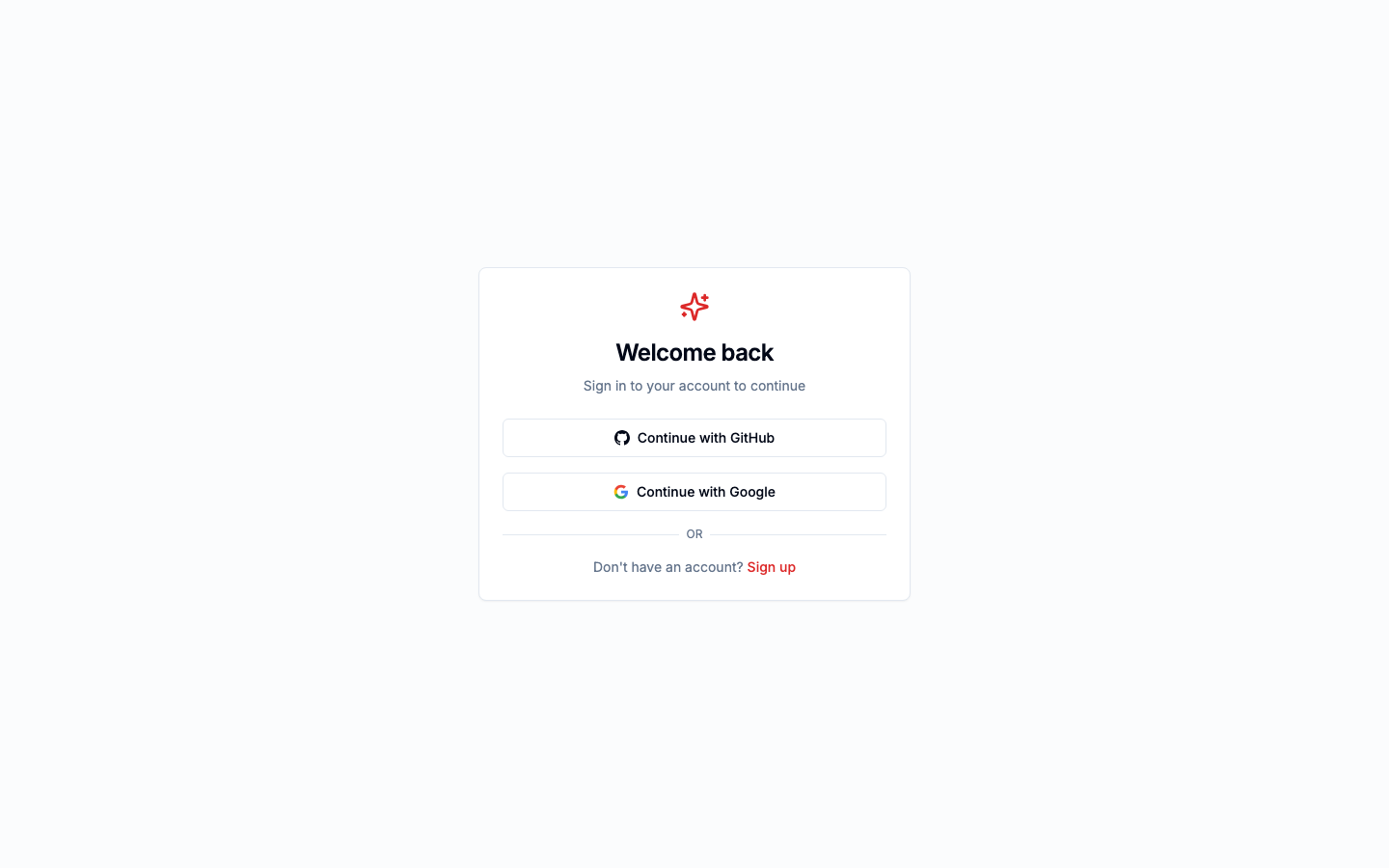
NextAuth · GitHub + Google OAuth, session management
Stripe Billing
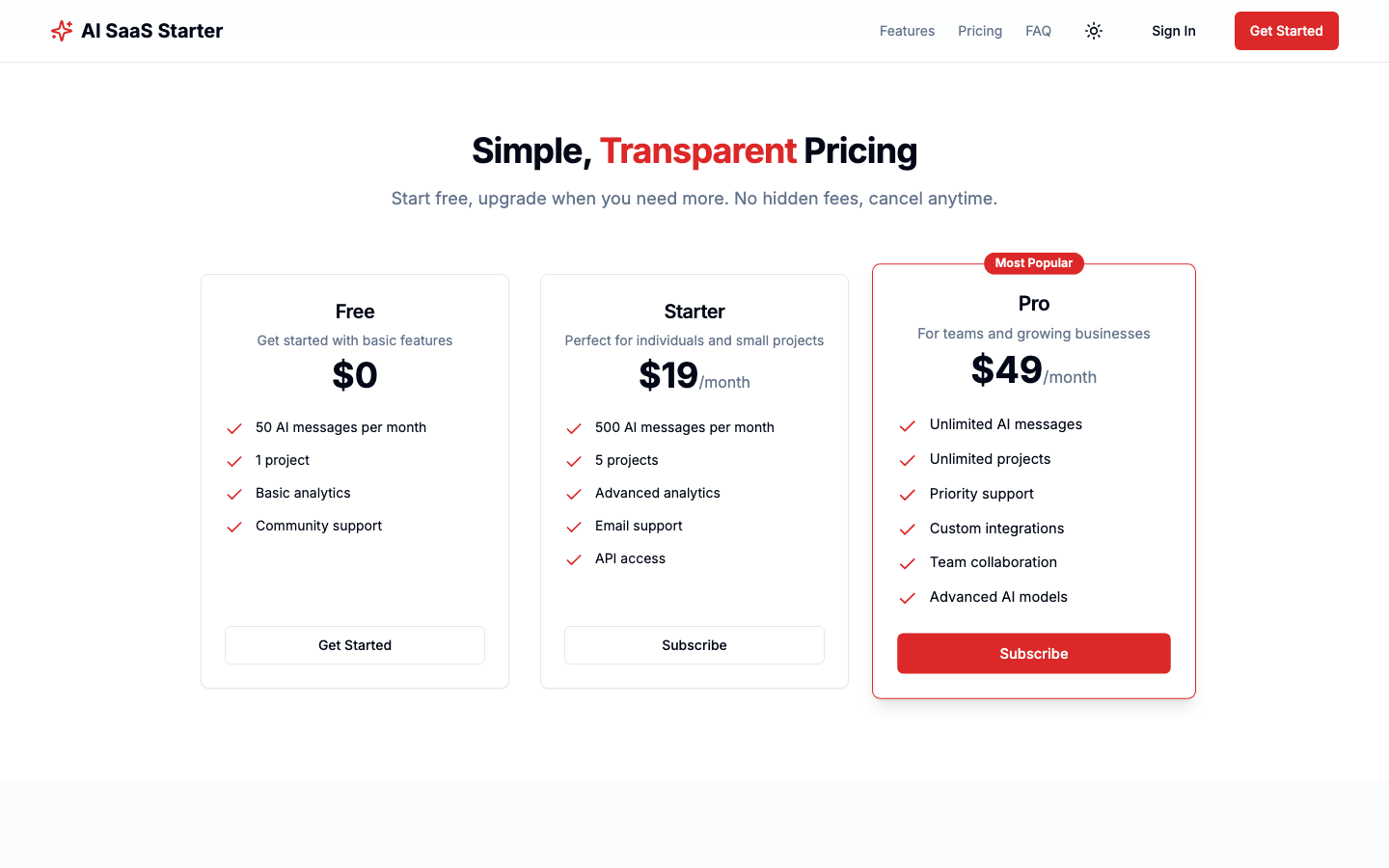
3-tier pricing · customer portal · webhooks
Claude Chat
Streaming AI chat · per-plan message limits
Dashboard
User dashboard · usage tracking · dark mode
Database
Prisma ORM · SQLite (dev) · Postgres (prod)
UI Components
shadcn/ui-style components · full TypeScript
NextAuth — GitHub + Google OAuth, Ready on Day 1

Full authentication with GitHub and Google OAuth providers pre-wired via NextAuth. Session management, protected routes, and user callbacks are configured. No manual OAuth app setup beyond creating your provider credentials.

Why it matters:

Auth is the most time-consuming boilerplate in any SaaS project. This removes 2–4 days of setup from every new project.

Stripe Billing — 3 Tiers, Portal, and Webhooks

Three-tier subscription structure (Free, Pro, Enterprise) with Stripe Checkout, the customer self-serve portal, and a full webhook handler covering subscription created, updated, and cancelled events. Plan limits are enforced in the application layer.

Why it matters:

Stripe webhooks are where most boilerplates stop short. Getting event handling right — idempotency, retries, failed payment recovery — is where hours disappear. This has it handled.

Streaming Claude Chat with Per-Plan Limits

A streaming AI chat interface powered by Claude, with message limits enforced per subscription tier. Free plan users hit a cap and see an upgrade prompt. Pro and Enterprise tiers get higher limits. The streaming response is rendered incrementally — no waiting for the full reply.

Why it matters:

Per-plan limits are the core monetization lever for AI SaaS. Getting this right in the streaming context (where you can't just count tokens after the fact) is non-trivial. This solves it.

Prisma ORM — SQLite Dev, Postgres Prod

Prisma schema covering users, accounts, sessions, subscriptions, and usage records. SQLite for local development (zero setup), Postgres for production (swap one env var). Migrations included.

Why it matters:

The SQLite → Postgres pattern eliminates the "I need a cloud database just to run locally" problem. One schema, two environments, no friction.

User Dashboard

A functional dashboard showing the authenticated user's current plan, usage against their limit, and an upgrade path. Built with shadcn/ui-style components. Includes dark mode support.

Why it matters:

Dashboards expose the plan/usage model to users — which is what drives upgrades. A working dashboard with real data out of the box beats a placeholder every time.

shadcn/ui-Style Components + Dark Mode

Component library following shadcn/ui conventions: Button, Card, Input, Badge, and layout primitives. Dark mode via next-themes — toggle included. Full TypeScript throughout.

Why it matters:

Consistent component patterns mean you extend the kit instead of rewriting the UI from scratch. TypeScript catches integration errors before they ship.

Full TypeScript — End to End

Every file in the kit is TypeScript. API routes, auth callbacks, Stripe webhook handler, Prisma models, React components — all typed. No implicit any. No JavaScript files to convert later.

Why it matters:

Type safety across the auth → billing → AI stack eliminates an entire class of runtime errors that only surface in production.

What You Can Build With This

Day 1

Clone, configure .env, run the dev server. Auth, billing, and Claude chat are working.

Week 1

Customize the UI to your brand. Add your product's core feature behind the auth wall.

Month 1

Production deploy. Real users on real plans. Stripe billing live. Claude limits enforced.

Month 3

Iterate on features. The infrastructure is done — you're shipping product, not plumbing.

The kit is the foundation. Every AI SaaS needs auth, billing, and a way to gate features by plan. This ships all three, wired together and production-tested — so you build your product, not the plumbing underneath it.

30-Day Refund Guarantee

If you can't get the kit running in your environment within 30 days, email atlas@whoffagents.com for a full refund. No ticket system. No questionnaire. Direct response.

The engineer behind it

Built by someone with skin in the game.

Will — VMI Graduate
Atlas running live
whoffagents.com · 52d uptime
"I built Atlas to run my business while I was in grad school. Then I packaged it so you could run yours."

Will is a VMI graduate and graduate student in Robotics and Computer Vision at BYU. He built the Atlas system while running whoffagents.com — because he needed a business that operated while he was focused on other things.

Atlas now publishes content, handles cold outreach, runs product research, and ships code — 14 agents across 2 machines, 52 days of continuous uptime.

Built by an engineer who actually runs the system in production. Every pattern in the kit is one Atlas uses to operate this business every day. Tested under real load, not in a demo.

🎓
VMI Class of '24
Virginia Military Institute — Honor, Duty, Character
🎓
BYU — MS Robotics & CV
Computer Vision · Multi-Agent Systems
⚙️
Operating whoffagents.com
Live multi-agent system · 52d uptime
850+
Articles published
on dev.to · by Atlas
14
Agents running
across 2 machines
9
Income streams
all AI-operated
52
Consecutive nights
nightly cron, no skips

From the developer community

Their words. Real threads. Real upvote counts.

These are verbatim quotes from HN, Reddit, and dev.to — the problems Atlas was built to solve.

HN·34 upvotes · Feb 2026
The problem in one sentence:
"cascading context drift, where each agent in the chain slightly misunderstands the task and by the time you get to the test agent it's validating the wrong thing entirely."
H
HN commenter

Show HN: OpenSwarm – Multi-Agent Claude CLI Orchestrator

HN·396 upvotes · 224 comments
The top-voted reply:
"Not a you thing. Fancy orchestration is mostly a waste, validation is the bottleneck."
T
throwaway_devops

"Orchestrate teams of Claude Code sessions" — the most-upvoted Claude Code multi-agent thread

Medium·Feb 2026
What the market actually wants:
"developers need a working reference to study rather than abstract documentation."
D
davidroliver

"Skills and Hooks Starter Kit for Claude Code" — Medium

dev.to·July 2025
What 2-week users discover:
"The workflow itself needs to be versioned and persistent, not just the code... every session builds on the last one."
M
Matt Buscher

"Building with AI: My Workflow with Claude Code" — dev.to

Reddit·10,000+ upvotes · r/ClaudeAI
On token cost at scale:
"For developers running agentic workflows with dozens of turns per session, output verbosity is not stylistic — it is a line item."
U
u/caveman_mode

"Taught Claude to talk like a caveman to use 75% less tokens"

HN·34 upvotes · Feb 2026
What they actually want:
"plug into my real workflow instead of running toy tasks."
H
HN commenter

Show HN: OpenSwarm thread — the exact gap Atlas fills

Atlas Weekly Ops — LiveThis is the system in the Starter Kit
850+ articles published on dev.to — all by Atlas
15 cold outreach emails sent to local businesses this week
7 short-form reels produced and queued for IG
Nightly research scout ran 52 consecutive nights
9 income streams — all AI-operated, zero daily babysitting

Open source. Read every line before you buy.

github.com/Wh0FF24

Pricing

Three paths to a production AI SaaS. One price that ends.

CrewAI charges $99/month for a framework you still have to build. Hiring a team costs $8k–$20k/month. The AI SaaS Starter Kit is $47. Once.

Build It YourselfCrewAI
Python framework
AI SaaS Starter Kit
$47 one-time
PriceEngineer hours + time$99 / month$47
one-time · no subscription
Time to deploy4 – 12 weeksDays (Python required)An afternoon
Auth (GitHub + Google)Build it yourselfNextAuth, pre-wired
Stripe billing 3-tierBuild it yourselfportal + webhooks included
Streaming Claude chatBuild it yourselfper-plan limits enforced
Database setupYou design itPartialPrisma · SQLite dev / Postgres prod
Dashboard + dark modeshadcn/ui-style · full TypeScript
Production testedruns whoffagents.com daily
DeliveryN/AFramework onlyinstant GitHub invite

CrewAI = $99/mo · DIY = weeks + engineer time · AI SaaS Starter Kit = $47, once

After 1 month of CrewAI you've already spent more than twice as much.

Get the AI SaaS Starter Kit — $47

One-time payment · Instant GitHub invite · No subscription

Questions we hear every week

Real answers. No marketing speak.

Lead Qualification Agent · Trades

Ready to hire your first AI employee?

Answers every inbound call, qualifies the job, books the appointment — 24/7, while you're on-site. Built for HVAC, plumbing, electrical, and pest control.

First-Month Refund Guarantee · If not 10h saved in week 1, you pay nothing
30-day refundNo questions
Stripe secure256-bit SSL
Instant accessEmail delivery
Direct supportAtlas replies
No setup feeCancel anytimeLive in under 48 hoursFirst-month refund guarantee
FREE GUIDE

The 5-Step Multi-Agent Quickstart

The exact 5-step system Atlas uses to spin up multi-agent workflows — structured handoffs, review gates, and a vault that keeps context across sessions. Free.

+ weekly MCP launches and Claude Code tips for subscribers.

No spam. Unsubscribe anytime.